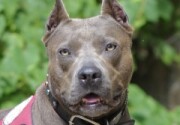
Military working dogs first entered the service in 1942 to serve in the Army’s K-9 Corps. Today, these dogs, who have an actual military service record book assigned to them, are still playing an active role in searching for explosives and seizing enemies. Military working dogs have been used by the U.S. armed forces since World War I. In World War II, 436 scout dogs walked combat patrols overseas, often detecting the enemy at a 1,000 yards, long before the enemy became aware of them. Dogs continued to serve with distinction in other conflicts, such as Korea, where the Army used about 1,500 dogs, primarily for guard duty. During the Vietnam War, nearly 4,000 dogs were employed and, officially, 281 were killed in action. Today’s conflicts include dogs at every level, still serving our country, helping to protect our troops.
Animal assisted therapy (AAT) is the use of certified therapy animals as a part of a therapeutic plan. The use of animals in therapy is described as a "significant part of treatment for many people who are physically, socially, emotionally or cognitively challenged." Those in hospitals or nursing homes often benefit from AAT, especially children and the elderly. While animals such as horses and cats can make excellent therapy animals, dogs are by far the most common type of certified therapy animals at work in our communities today.
A Guide Dog team consists of a dog and a person. The dog has been specially trained to assist a person who is blind, with mobility. The dog is trained to lead, obey commands, avoid distractions and obstacles and disobey a command if it would put the team in danger. The person is responsible for directing the dog by keeping a mental map, being the leader of the team and providing care and praise. Through teamwork and companionship, they share a bond of trust and love for the entire life of the dog.